
What is Nano Banana Pro?
Nano Banana Pro corresponds to Google DeepMind’s Gemini 3 Pro Image model. It is described in Google’s official model card as the most advanced Gemini model for image generation, built on the Gemini 3 Pro foundation. The goal is to provide high‑precision image generation and editing for professional workflows where fine control and reliability matter more than raw speed.
Google positions the model as a “studio‑quality” image engine. In the official Nano Banana Pro page, the model is highlighted for its ability to generate clear text, deliver precise edits, and apply real‑world knowledge to create rich infographics and historically accurate visuals. These traits make it well‑suited for design teams, agencies, and product teams who need a dependable generator that can handle complex prompts and strict layout constraints.
Model card essentials (official specifications)
The Gemini 3 Pro Image model card provides a concise overview of the model’s inputs, outputs, and context capabilities. It reports a 1M token context window for inputs and image outputs capped at 64K tokens, and notes that the model is based on Gemini 3 Pro. The knowledge cutoff date listed in the model card is January 2025. These details are important because they explain why Nano Banana Pro can handle large prompt contexts, multi‑image references, and complex design instructions.
| Parameter | Official value |
|---|---|
| Official model name | Gemini 3 Pro Image |
| Base model | Gemini 3 Pro |
| Inputs | Text + images |
| Outputs | Image |
| Context window | Up to 1,000,000 tokens |
| Output limit | Up to 64K tokens for image output |
| Knowledge cutoff | January 2025 |
Core capabilities: text, control, and real‑world knowledge
Google’s Nano Banana Pro page highlights three primary strengths. First, it can generate clear text inside images, enabling posters, diagrams, and product mockups with legible typography. Second, it offers “studio‑quality control,” which means you can specify details about layout, composition, and design choices with more reliable adherence than Flash‑tier models. Third, the model applies real‑world knowledge to create grounded visuals, such as infographics or historically accurate scenes.
These features are consistent with the model card’s evaluation results: Gemini 3 Pro Image leads on benchmarks for text rendering, stylization, multi‑turn editing, character editing, object editing, and infographic creation. If your use case depends on text accuracy, layout precision, or editing quality, Nano Banana Pro is the most capable of the Nano Banana family.
Benchmark comparisons (official evaluation summary)
The Gemini 3 Pro Image model card reports that the model leads Elo‑score benchmarks across both existing and new capabilities. It shows strong gains in complex editing tasks such as multi‑character editing, chart editing, text editing, and infographic generation. These results are presented relative to other leading models such as Gemini 2.5 Flash Image, GPT‑Image 1, Seedream v4, and Flux Pro.
The important takeaway is not the raw numbers themselves, but the consistent direction: Gemini 3 Pro Image leads on quality across a broad range of visual tasks. This is one reason Nano Banana Pro is commonly recommended when accuracy matters more than speed.
Official example images and prompt themes
Below are two official Nano Banana Pro examples from Google DeepMind. The prompts shown are short excerpts of the official prompts.

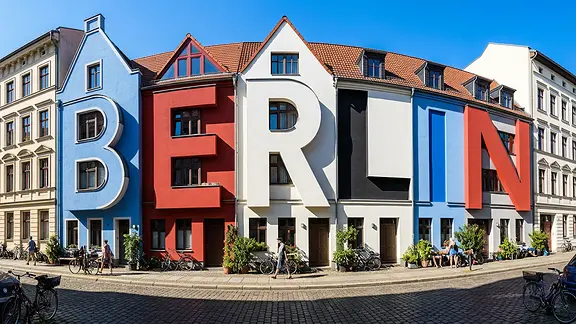
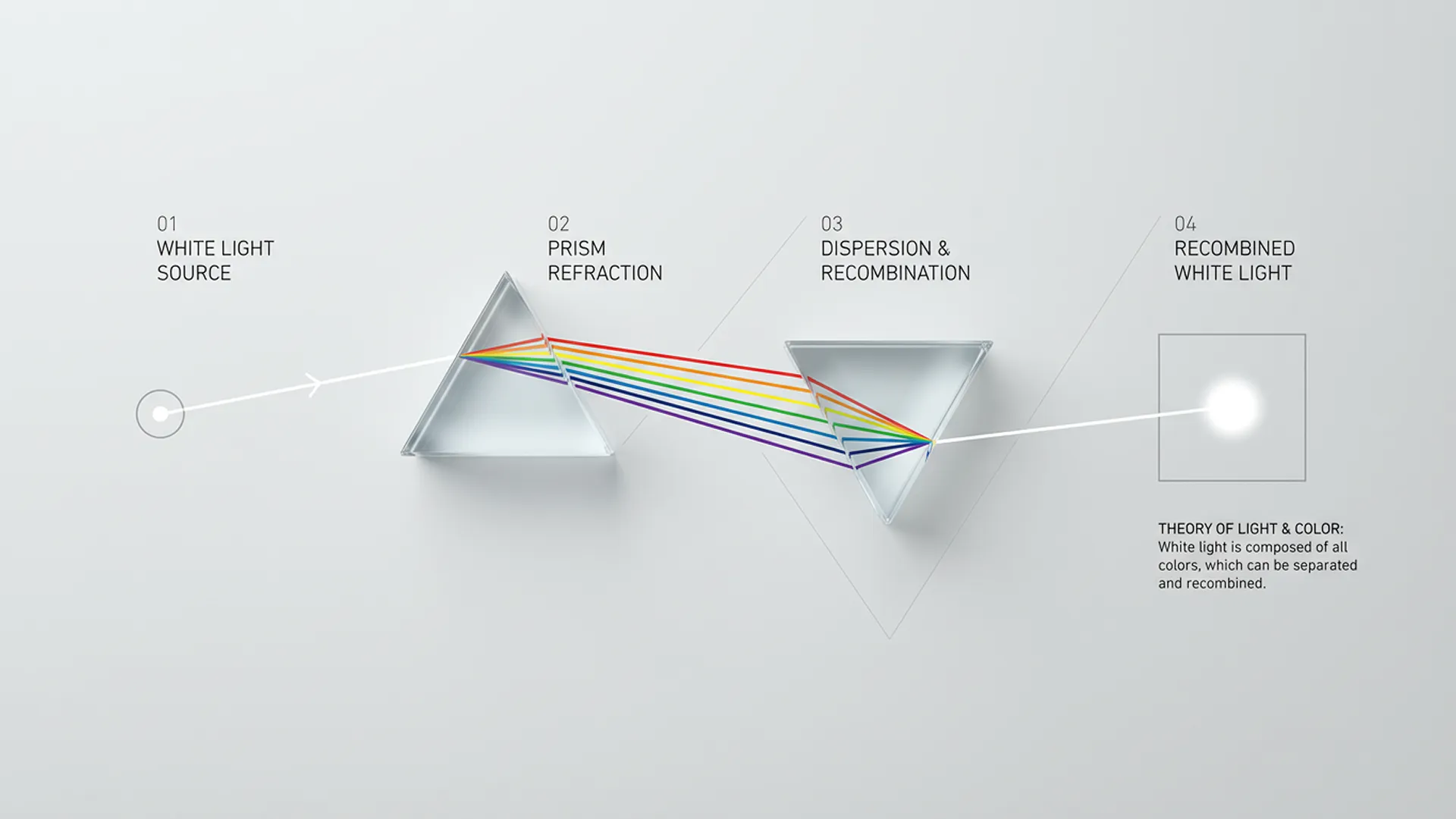
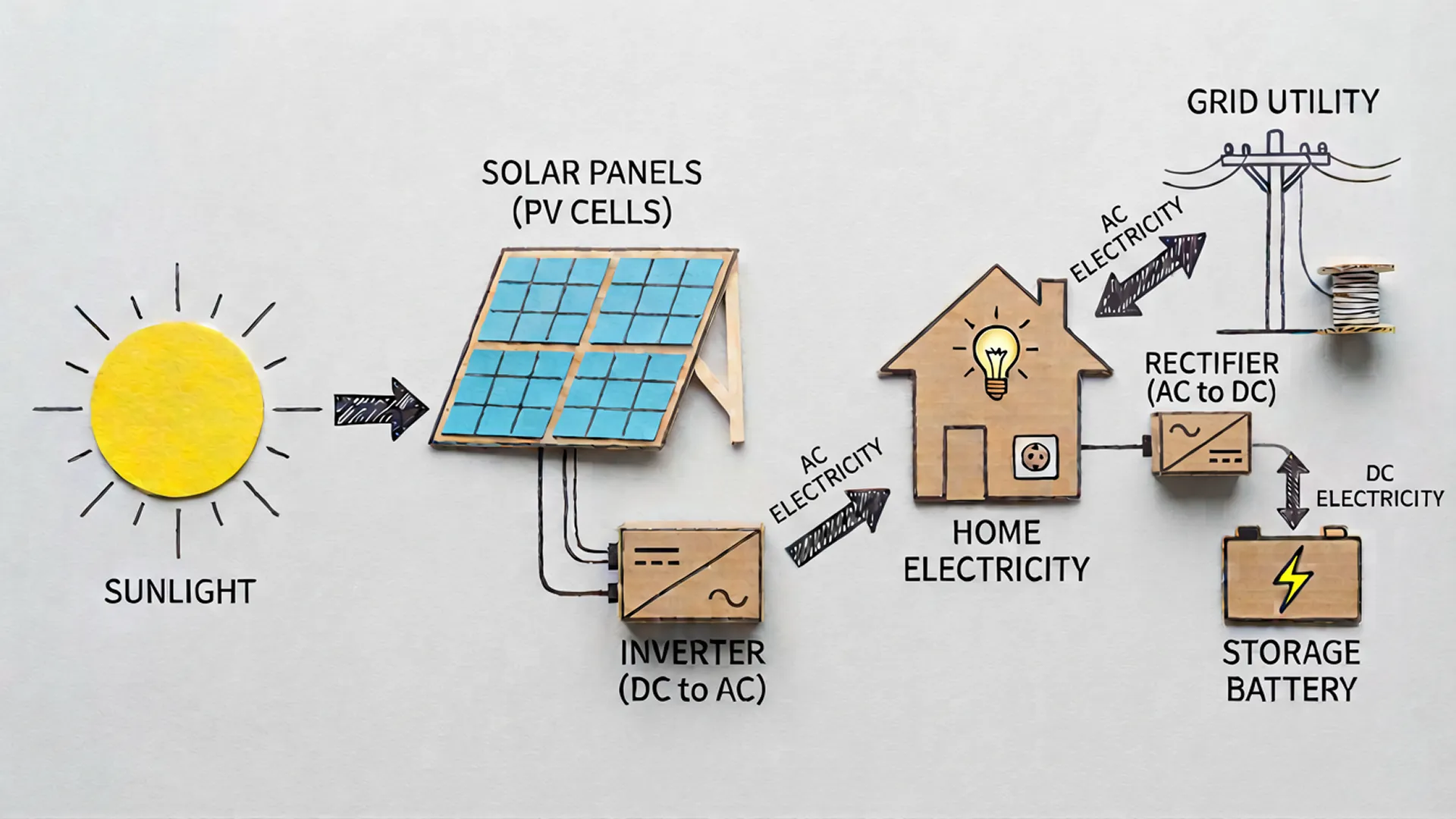
How Nano Banana Pro compares to Nano Banana 2 and Nano Banana
Google’s naming conventions can be confusing. The naming can be simplified into three tiers. Nano Banana Pro corresponds to Gemini 3 Pro Image (the highest‑end image model), Nano Banana 2 corresponds to Gemini 3.1 Flash Image (fast but still Pro‑level capabilities), and Nano Banana corresponds to Gemini 2.5 Flash Image (previous‑generation Flash image model). Each tier serves a different tradeoff between quality and speed.
| Model | Official model | Positioning |
|---|---|---|
| Nano Banana Pro | Gemini 3 Pro Image | Highest‑quality image generation and editing with maximum control. |
| Nano Banana 2 | Gemini 3.1 Flash Image | Flash‑level speed with Pro‑level image capabilities. |
| Nano Banana | Gemini 2.5 Flash Image | Earlier Flash image model optimized for speed and general use. |
Workflow guidance for professional teams
Because Nano Banana Pro is optimized for precise control, it performs best when prompts are structured and explicit. Start with the subject and composition, then specify lighting, camera angle, and style. If you need typography, call out the exact wording and placement. This aligns with Google’s emphasis on clear text rendering and studio‑quality control in the official Nano Banana Pro documentation.
For brand work, keep consistent descriptors across generations, such as color palette, materials, and visual tone. If your output is a diagram or infographic, describe the hierarchy of labels and the structure of the chart. When editing an existing image, be explicit about what should change and what should remain untouched. These practices reduce the likelihood of over‑editing or unexpected visual shifts, and they take advantage of the model’s strengths in complex prompt following and multi‑turn editing.
Known limitations (from the official model card)
The model card lists several limitations. Small text can be blurry, long paragraphs are difficult to render, and character consistency is not always perfect. The model can occasionally struggle with masked or doodle‑based editing, and it may show imperfect spatial localization (such as left/right confusion). The card also notes occasional slowness or timeout issues and remaining gaps in world knowledge, 3D reasoning, and factuality.
In practice, these limitations mean you should avoid overloading a single prompt with too much tiny text, and you should break complex layouts into multiple steps. If you need strict spatial fidelity or long text blocks, plan to iterate and verify the output carefully.
Safety and provenance
Google’s Nano Banana Pro page notes that Gemini image generation includes safety filters and imperceptible SynthID watermarking. This helps downstream systems identify AI‑generated content and provides a provenance signal for responsible use.
For production usage, it is still important to review outputs before publishing, especially in sensitive domains like health, finance, or public policy. Image models can hallucinate or misrepresent details, even when the visual quality is strong.
FAQ
Is Nano Banana Pro the same as Gemini 3 Pro Image?
Yes. Nano Banana Pro refers to Google’s Gemini 3 Pro Image model in official documentation.
What is Nano Banana Pro best for?
It is best for high‑precision image generation, text rendering, and complex editing workflows where quality and control are more important than speed.
Does it support grounded knowledge and infographics?
Google highlights grounded generation and strong performance on infographic tasks in the official Nano Banana Pro page and model evaluations.
What are the main limitations?
The model card notes small text can be blurry, long paragraphs are hard to render, and character consistency can drift in complex scenes.